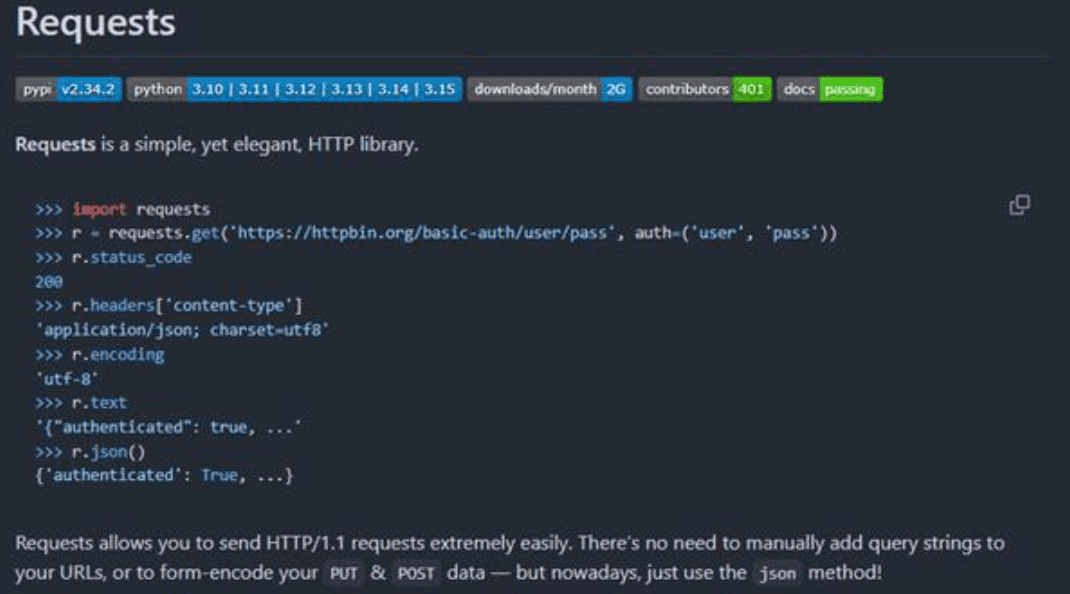
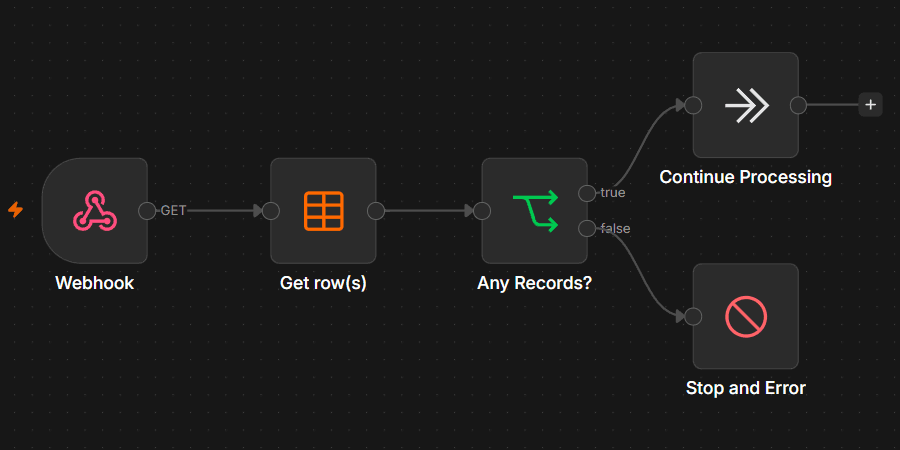
When comparing n8n versus Python for automation and AI workflows, the real question is whether you want complexity to live inside a dedicated orchestration platform or infrastructure your team builds and maintains.
Choose n8n when:
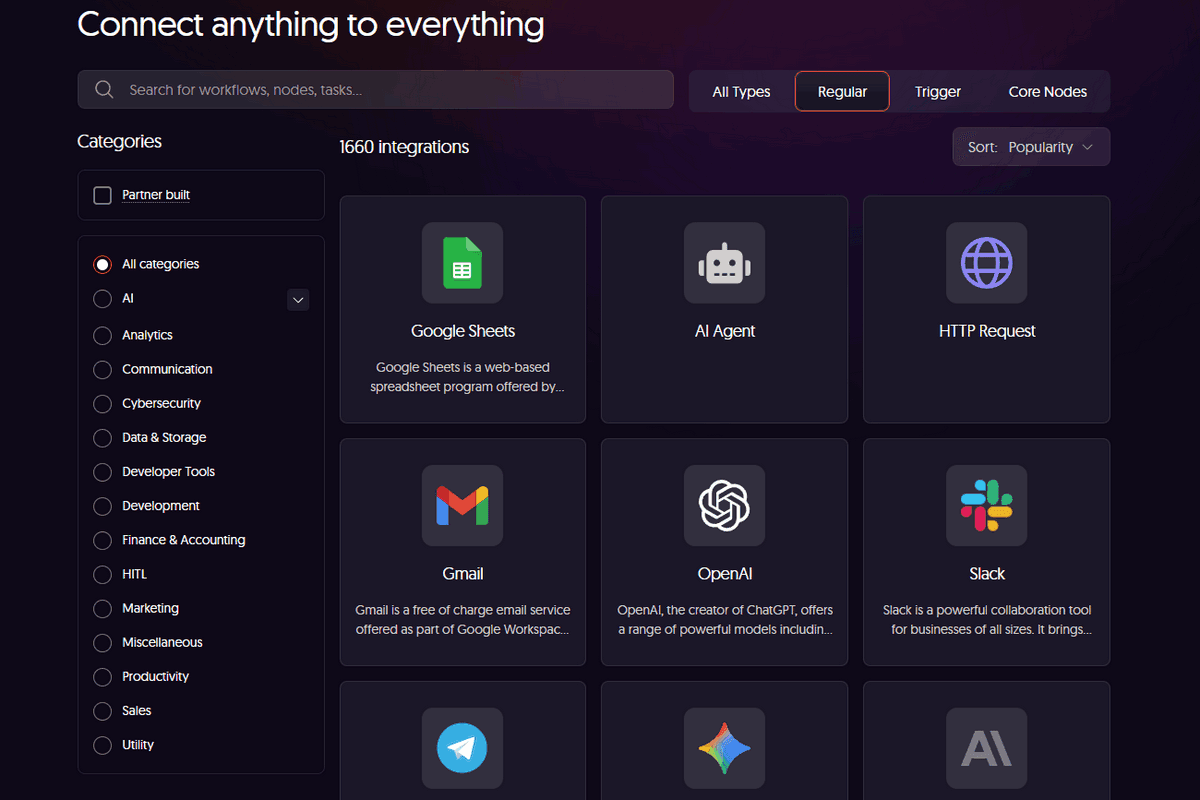
- Workflows span multiple systems: You need to connect APIs, databases, SaaS applications, and AI services in a single workflow.
- Operational capabilities matter: Built-in observability, retries, credential management, and execution tracking are requirements.
- Governance is non-negotiable: RBAC, SSO, audit logging, and access controls need to be part of the platform.
- Deployment flexibility is important: You want the option to self-host or use a managed cloud service.
- AI is part of business operations: Agents, integrations, and workflow logic need to coexist in the same orchestration layer.
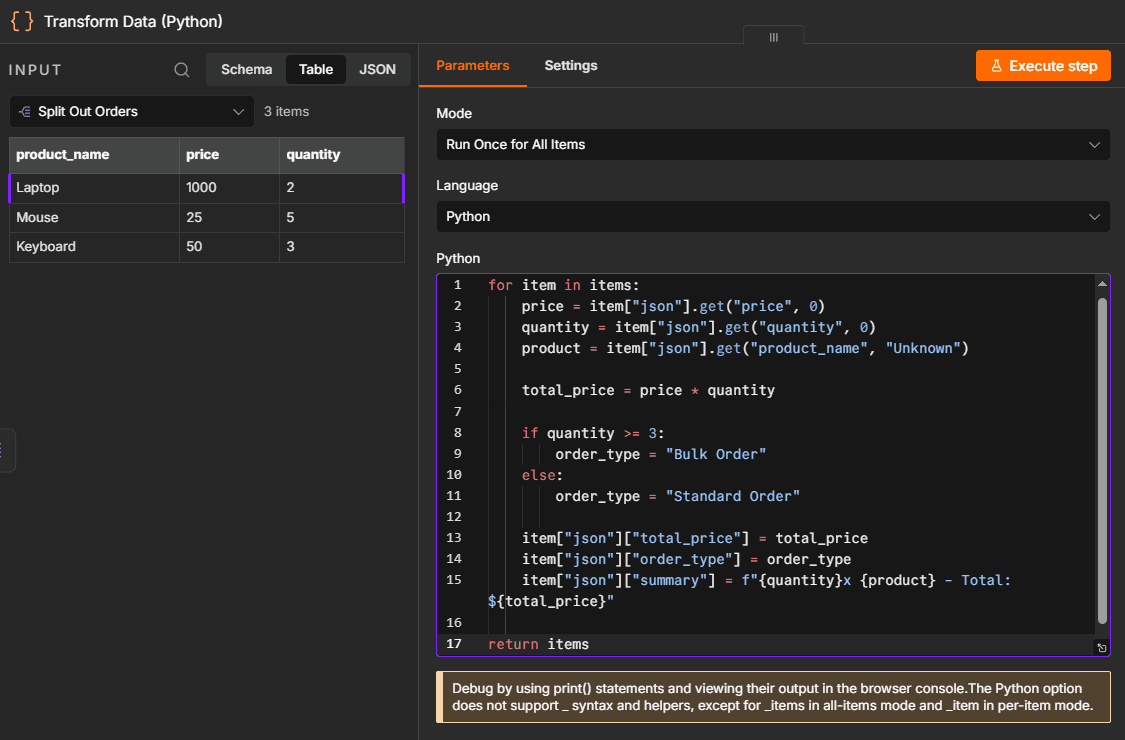
- Custom logic is required: You want to write Python when needed without taking on the burden of building the surrounding platform.
Choose Python when:
- Workflows are highly specialized: The use case relies on complex algorithms, heavy computation, or bespoke processing requirements.
- Infrastructure already exists: Your team already operates the systems required to deploy, monitor, and scale automation workloads.
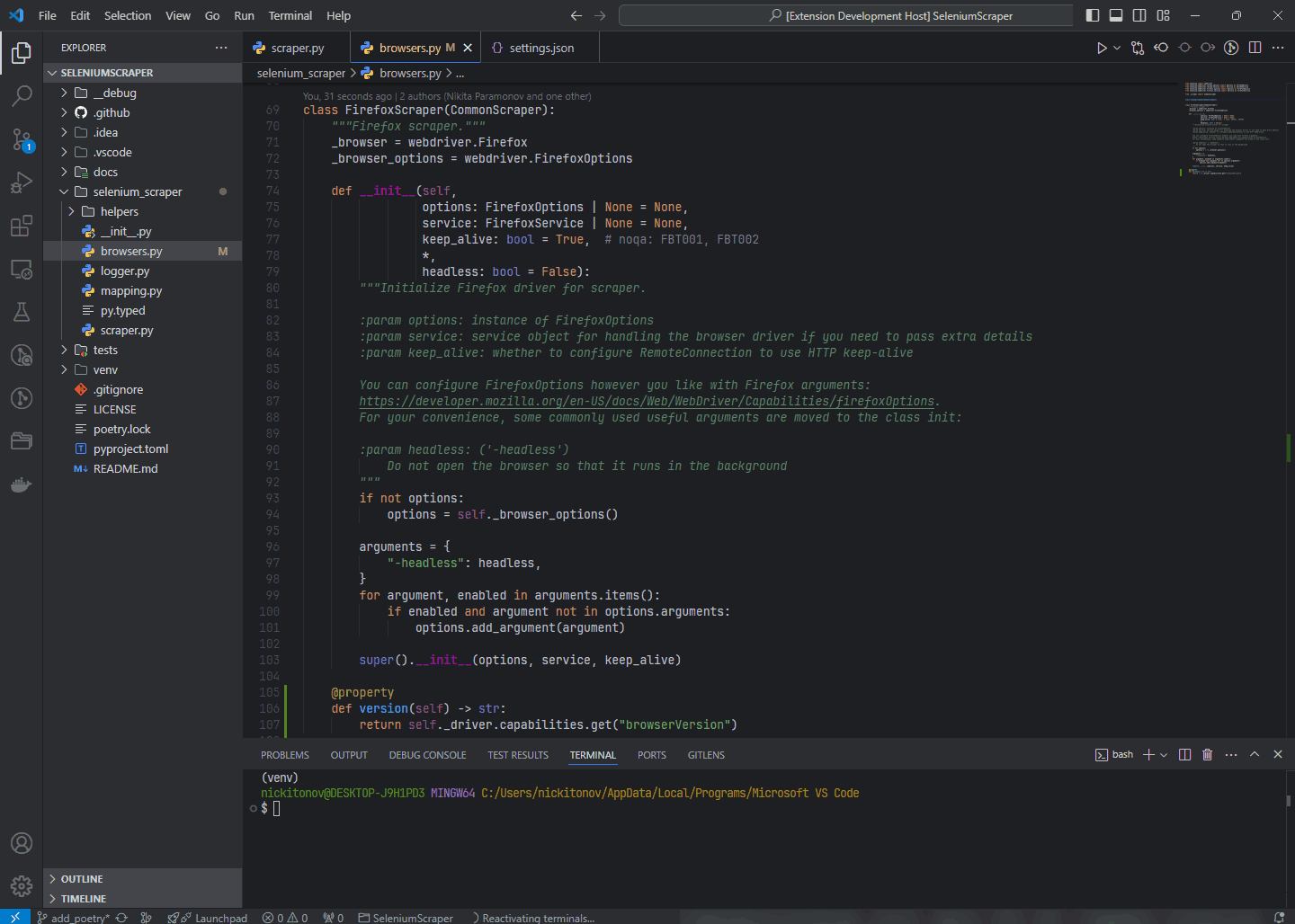
- Code-first workflows are a priority: Workflow logic needs to live entirely within existing repositories, testing frameworks, and CI/CD pipelines.
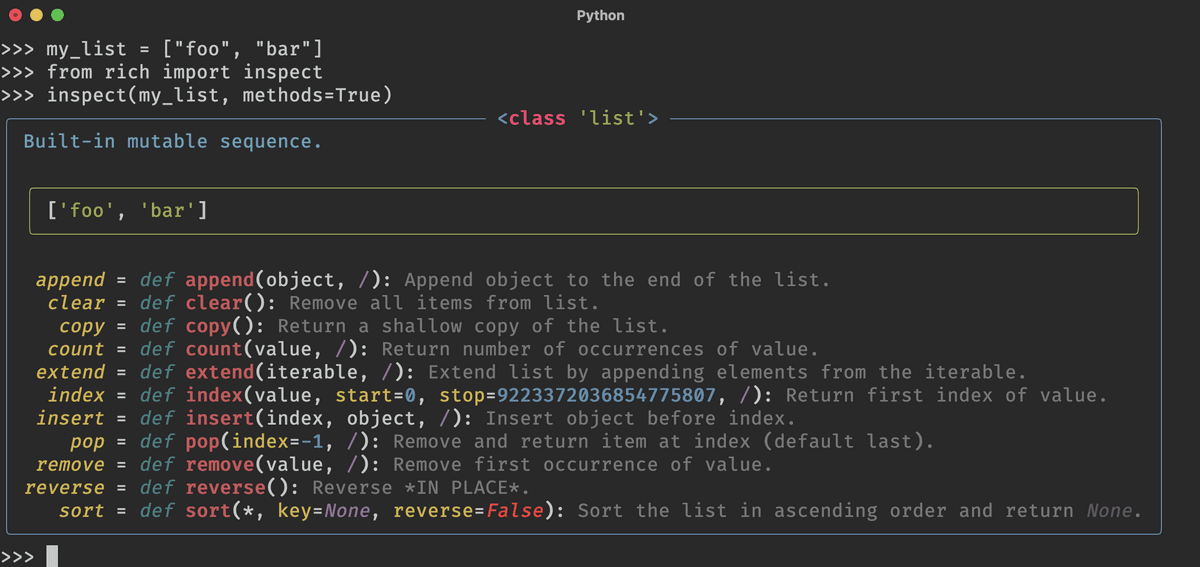
- The work is AI or ML intensive: Projects depend heavily on frameworks like PyTorch, scikit-learn, or highly customized AI architectures.
- Maximum implementation control is required: Every model interaction, prompt flow, and data transformation must be defined programmatically.
A hybrid approach: The best of both worlds
Organizations evaluating n8n alternatives often discover that the decision isn't necessarily n8n or Python. In many cases, the most effective architecture combines both.
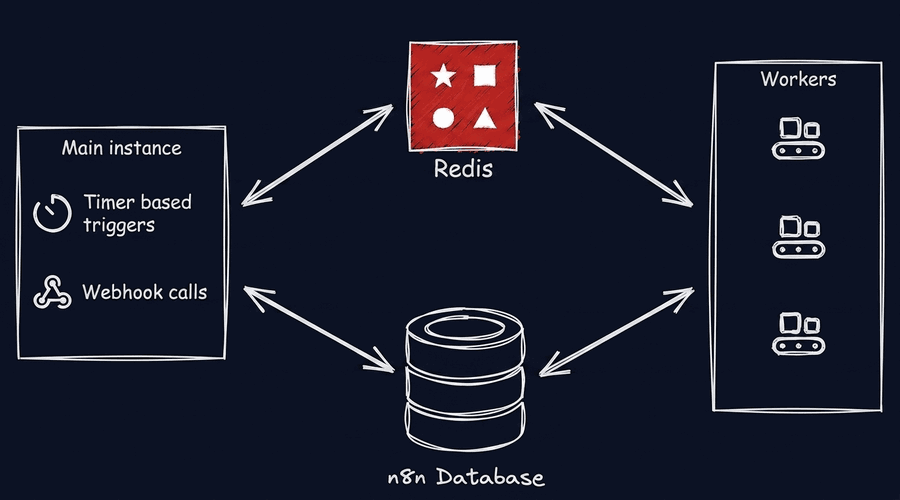
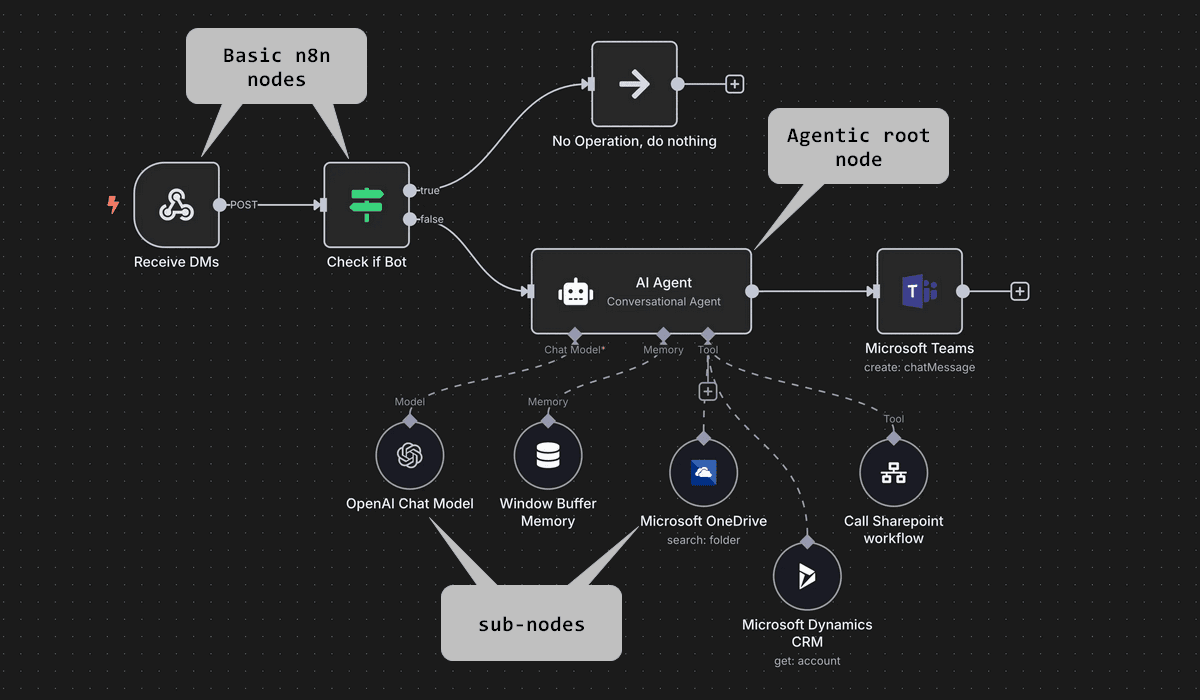
Many engineering teams use n8n as the orchestration layer while running custom Python logic inside workflows. n8n handles integrations, scheduling, credential management, observability, governance, and AI orchestration, while Python handles specialized logic through the Code node.
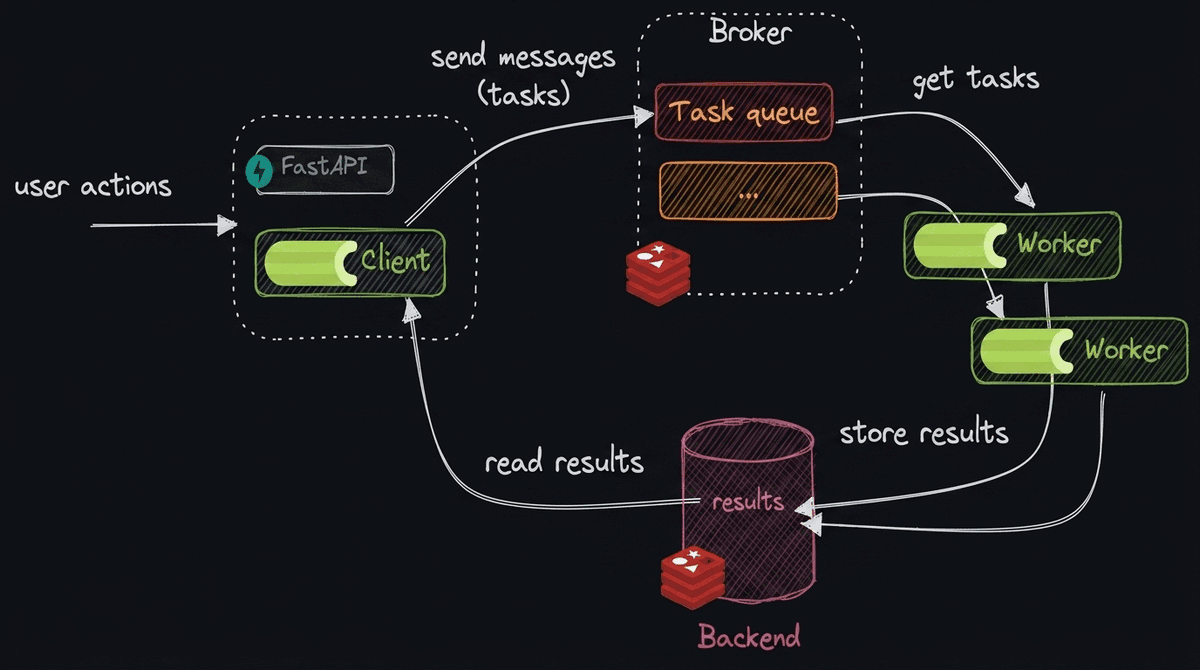
This architecture offers Python's flexibility without taking on the full operational burden of building and maintaining an automation platform. Rather than spending engineering time on queues, retries, monitoring, and infrastructure, your team can focus on the logic, workflows, and AI capabilities that actually create business value.
Try n8n’s free Cloud trial today, and build flexible, secure systems without the overhead.